Eye Color Chart: All The Natural Eye Colors, In Plain Words
This is your full eye color chart. I will go through every natural eye color, one by one, in plain words. You will see what makes each shade, how rare it is, and what it looks like. By the end you can read the chart and know your own color fast. Let us jump in.
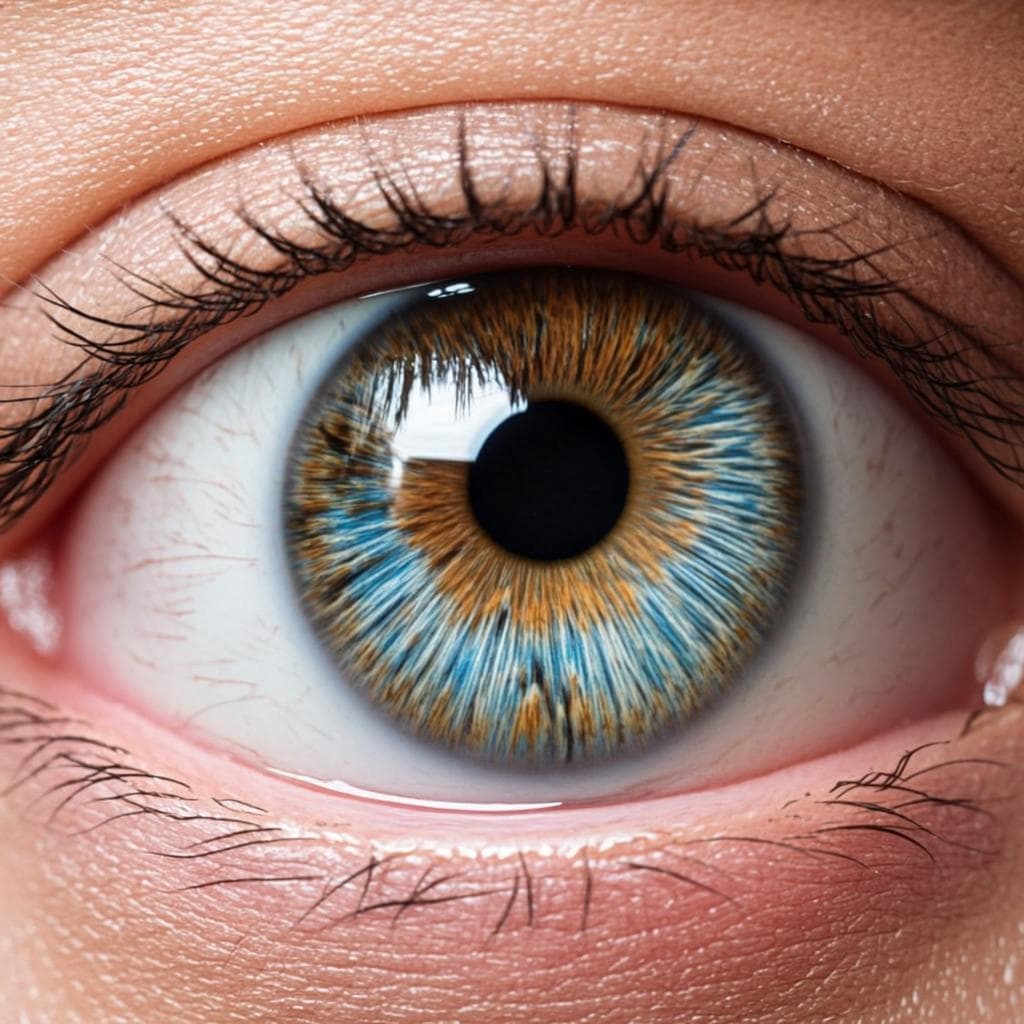
Why Use An Eye Color Chart
An eye color chart is a row of color swatches. Each swatch shows a known eye shade. You look at your eye, then look at the chart, and pick the swatch that looks most like yours.
Charts help you name your shade. They also show how rare each color is. Some people use a chart to pick contact lenses or a new hair tone that fits their eyes.
The Full Eye Color Chart
Here is the chart I use. It goes from dark to light, top to bottom. Each row has a name, the color, and how rare it is in the world.
| Shade | Hex | How Rare | Undertone |
|---|---|---|---|
| Dark Brown | #3a2410 | ~55% | Warm |
| Brown | #5e3a20 | ~24% | Warm |
| Light Brown | #8a5a2c | ~6% | Warm |
| Hazel | #8a6a3a | ~5% | Warm |
| Amber | #c98a1c | ~5% | Warm |
| Green | #4c844e | ~2% | Cool |
| Blue | #5284bc | ~8% | Cool |
| Gray | #6e737f | ~1% | Cool |
| Violet | #8a5fb0 | <1% | Cool |
| Red / Pink | #b04050 | <1% | Neutral |
Dark Brown Eyes
Dark brown eyes have the most pigment of all. They look deep and rich. In a dim room they can look near black. In the sun they glow like dark wood.
Most people in the world have dark brown eyes. If your eyes are this shade, you share it with a big part of the world.
- Lots of melanin in the iris stroma.
- Most common eye color on earth.
- Looks near black indoors.
- Glow in soft day light.
Brown Eyes
Brown eyes are warm and rich. They have a lot of pigment, just a bit less than dark brown. They look like dark wood or soft cocoa.
Brown eyes are the second most common shade. They suit most hair tones and skin tones, which makes them easy to style.
Light Brown Eyes
Light brown eyes sit on the edge of brown and gold. They have less pigment than full brown, so they look warm and soft. In the sun they can glow gold.
Some people call this shade honey brown or golden brown. It is less common than dark brown but still warm.
Hazel Eyes
Hazel eyes are a true mix. They have brown, gold and green all in one iris. The shade can change a lot in different light.
Hazel is rare. Only a small part of the world has it. The mix comes from medium pigment plus some light scatter.
Amber Eyes
Amber eyes are gold or copper. They look like a wolf eye. The color comes from a pigment named lipochrome, not just melanin.
Amber is one of the most rare eye colors in humans. If you have it, your eyes are a true find.
Green Eyes
Green eyes have no green dye in them. The color comes from how light scatters in the iris, plus a tiny bit of brown pigment.
Green eyes are very rare. Only about 2 in 100 people have them. They are most common in some parts of Europe.
Blue Eyes
Blue eyes have no blue dye at all. The blue look comes from how light scatters in the pale iris. It is the same trick that makes the sky look blue.
Blue eyes are less common than brown but found all over the world. All blue eyed people may share one old family root from long ago.
Gray Eyes
Gray eyes are very rare. They look pale and cool, like soft stone. They have very low pigment and more collagen in the iris stroma.
Gray eyes can look blue or green in different light. Some babies born with blue eyes end up with gray eyes as they grow.
Violet And Red Eyes
True violet eyes are very, very rare. Most of the time what looks violet is just light scatter on very pale blue or gray eyes. Real violet pigment in a human iris is not known.
Red or pink eyes are seen with albinism. The iris has no pigment at all, so the blood cells in the eye show through. This is the most rare look of all.
How To Read The Chart For Your Own Eyes
Take a clear photo of your eye near a window. No flash. Zoom in. Then look at the chart above. Pick the row that looks most like your iris.
If your eye has two colors, name the main shade first. The flecks can come next. For example, you may say hazel with gold flecks.
Eye Color Rarity In One Look
Here is a quick view of how rare each color is. The bigger the share, the more common the color.
| Rank | Color | Share Of World |
|---|---|---|
| 1 | Brown (all shades) | ~79% |
| 2 | Blue | ~8% |
| 3 | Hazel | ~5% |
| 3 | Amber | ~5% |
| 5 | Green | ~2% |
| 6 | Gray | ~1% |
| 7 | Violet / Red | <1% |
Key takeaways
- The chart goes from dark brown to rare violet.
- Brown is the most common, violet and red are the most rare.
- Each shade has its own mix of pigment and light scatter.
- Use soft day light and a clear photo to read the chart right.
- Hazel eyes are a true mix of brown, gold and green.
FAQ
What is the most common eye color?
Brown. About 79 in 100 people in the world have some shade of brown eyes.
What is the most rare eye color?
True violet and red are the most rare. Gray is also very rare, with only about 1 in 100 people.
Can my eye color be on the line of two chart shades?
Yes. Many people sit on a line. Hazel eyes are the best case of a color that mixes two or three shades.
Do eye color charts work for contact lenses too?
Yes. You can use a chart to pick a colored contact lens shade that fits your true color.
Find your true eye color now
Upload a clear photo, agree to the rules, and our AI scanner gives you the exact shade plus a full report in seconds.
Take the free eye color test