Can Your Eye Color Change? All The Causes, In Plain Words
A lot of people ask if eye color can change. The short answer is yes, a bit. But the long answer has more parts. In this guide I will show you all the causes, from light to age to meds. You will learn when a change is safe and when to see a doc. Let us start.
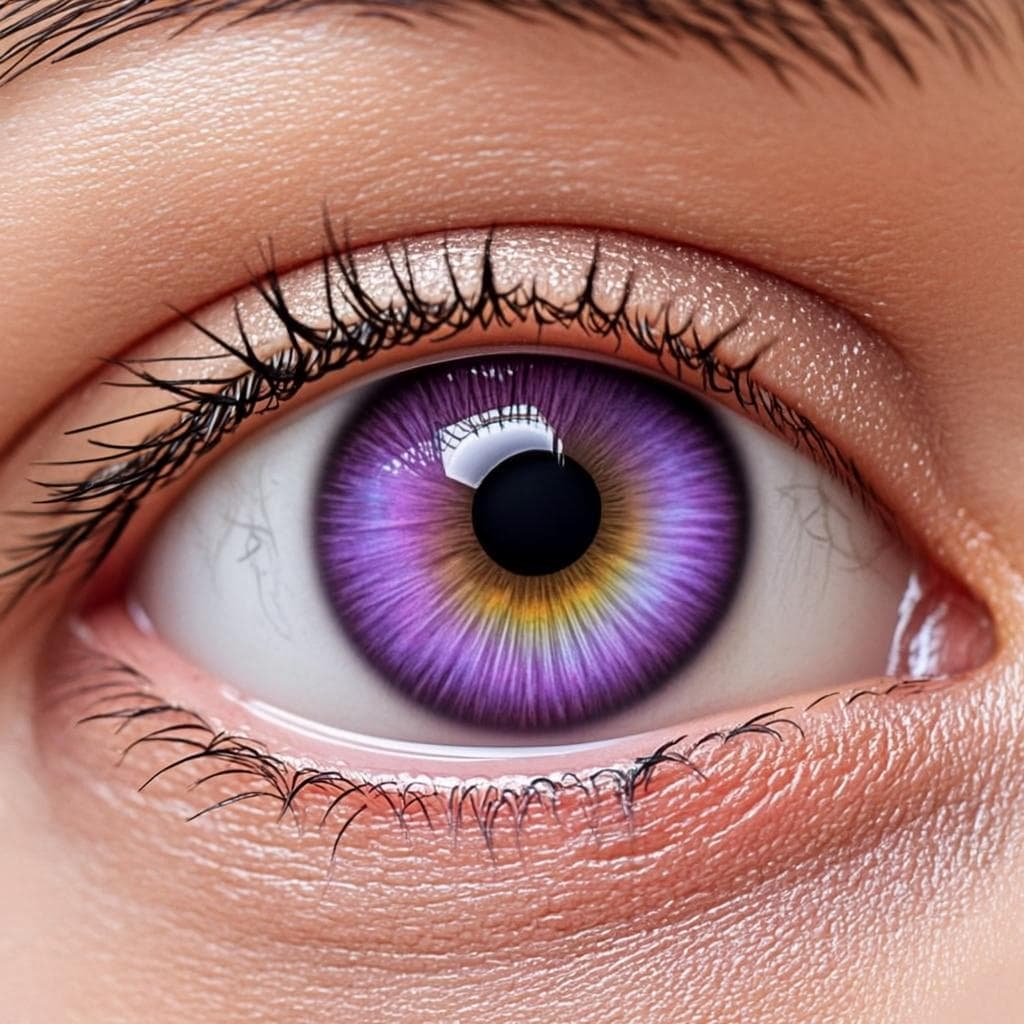
Can Eye Color Change On Its Own
Yes, eye color can change a bit on its own. Most change happens when you are a baby. A baby born with blue eyes can grow up to have brown eyes as pigment builds up.
When you are a grown up, your eye color stays the same most of the time. But it can look a new shade in different light. Some old people get a ring of gray or blue at the edge of the iris as they age.
Light And How It Changes The Look
Light can make your eye color look new, even if the true color is the same. Soft day light shows the true shade. A yellow bulb makes eyes look warm. A blue screen makes eyes look cool.
This is not a real change. It is just a trick of the light. The pigment in your iris stays the same.
- Soft day light shows true color.
- Yellow bulb makes eyes look warm.
- Blue screen makes eyes look cool.
- Dim room makes eyes look dark.
- Sun can make eyes look more bright.
Sun And Pupil Size
In the sun your pupil gets small. The iris ring looks more wide, so the color can look more bright. In a dim room your pupil gets big, so the iris ring looks thin and the color can look more dark.
This is a short change. The true color comes back when the light is back to soft day light.
Meds That Can Change Eye Color
Some meds can change eye color over time. The top one is a drop named latanoprost, used for an eye illness named glaucoma. It can make blue eyes turn brown over a few months or years.
This change is most of the time not back. If you start a new med and see an eye color change, tell your doc.
- Latanoprost drops can turn blue eyes brown.
- Change is most of the time not back.
- Some meds can change eye color as a side effect.
- Tell your doc if you see a fast change.
Illness That Can Change Eye Color
Some illnesses can change eye color. The top ones are named heterochromia, albinism, and some forms of an eye swelling. These can make one eye a new color, or both eyes a new shade.
If your eye color changes fast, with pain or with a change in sight, see an eye doc right away. This can be a sign of an illness that needs care.
| Illness | How It Changes Eyes |
|---|---|
| Heterochromia | one eye a new color |
| Albinism | very pale, no pigment |
| Glaucoma | some meds turn blue eyes brown |
| Eye swelling | color can shift or fade |
| Iron build up | iris can look rusty |
Age And Eye Color
As we get old, eye color can shift a bit. Some old people get a ring of gray or blue at the edge of the iris. Some old people get a ring of yellow or white near the white of the eye, named arcus senilis.
These changes are most of the time safe. But if you see a fast change, see a doc.
Babies And Eye Color Change
Most babies are born with blue or gray eyes. As they grow, the pigment builds up. By age 1 to 3, the true color shows. Some babies end up with brown eyes even if they were born with blue.
This is the most normal eye color change in life. It is a part of how the body grows.
- Most babies are born with blue or gray eyes.
- Pigment builds up in the first years.
- True color shows by age 1 to 3.
- Some babies go from blue to brown.
- This is the most normal eye color change.
Can You Change Your Eye Color On Purpose
Yes, but the safe ways are few. Colored contact lenses are the top safe way. They sit on your eye and change the look. You can take them out when you want.
There is also a surgery that uses a laser to turn brown eyes blue. It is new and not safe for all. Some eye docs warn against it. There is also an implant surgery, but it has a high risk of eye harm. Stick to lenses for now.
- Colored contact lenses are the top safe way.
- Laser surgery is new and not for all.
- Implant surgery has a high risk.
- Stick to lenses for a safe change.
- See an eye doc before you try any new way.
When To See A Doc
Most eye color change is safe. But some signs mean you should see an eye doc right away.
- Fast change in one eye only.
- Change with pain in the eye.
- Change with a change in sight.
- Change with redness or swelling.
- Change after a new med.
Key takeaways
- Eye color can change a bit, mostly in babies and old age.
- Light can change the look, but not the true color.
- Some meds can turn blue eyes brown over time.
- Some illnesses can change eye color, fast change needs a doc.
- Colored contact lenses are the top safe way to change eye color.
FAQ
Can my eye color change as an adult?
A bit. Some meds and some illnesses can change eye color. Light can make the color look new, but the true color stays the same.
Can brown eyes turn blue?
Not on their own. A laser surgery can do it, but it is new and not safe for all. Lenses are the safe way.
Why did my baby go from blue eyes to brown?
Most babies are born with blue eyes. As pigment builds up, the eyes can turn brown by age 1 to 3.
Is a fast eye color change safe?
Not always. If your eye color changes fast, with pain or a change in sight, see an eye doc right away.
Find your true eye color now
Upload a clear photo, agree to the rules, and our AI scanner gives you the exact shade plus a full report in seconds.
Take the free eye color test